
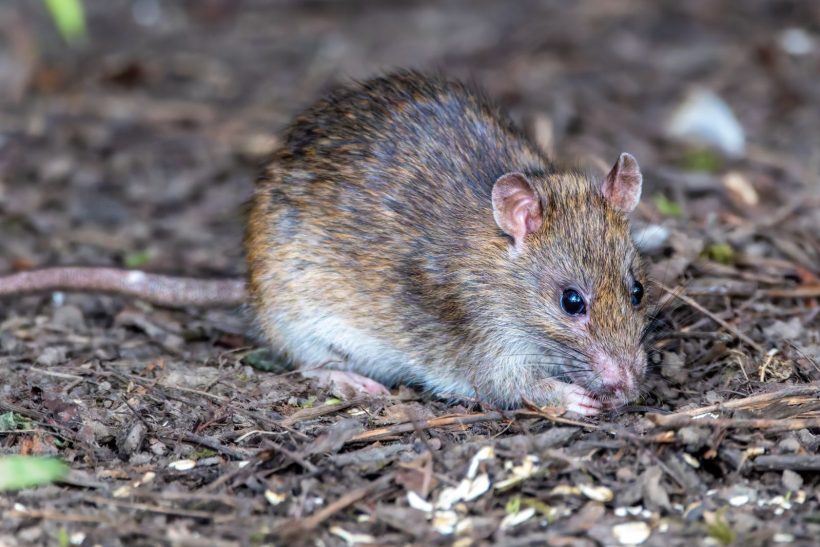
Rat and Rodent Control in Nairobi
Rats chew cables, contaminate food stores and breed faster than most people expect. Baiting alone treats this month. Closing the gaps they come through is what ends it.
- Entry-point proofing
- Secure baiting stations
- Carcass removal
Proofing Matters More Than Poison
A mouse gets through a gap the width of a biro. A young rat needs about the size of a two-shilling coin. Most premises have a dozen such gaps and nobody has ever looked: around waste pipes, under a door with a worn seal, at the roof eaves, where a cable enters the wall, behind a kitchen unit.
If you only bait, you remove the rats currently inside and leave the door open for the next ones. We find the gaps, close what can be closed, and tell you what needs a builder.
There is a welfare and safety side too. Poison used carelessly kills cats, dogs and birds of prey, and a rat that dies inside a wall cavity will make a room unusable for a fortnight. We use secured, tamper-resistant stations and we come back to collect what we find.
- Droppings, gnaw marks and greasy runs along skirting
- Scratching in the ceiling at night
- Chewed cabling, which is also a fire risk
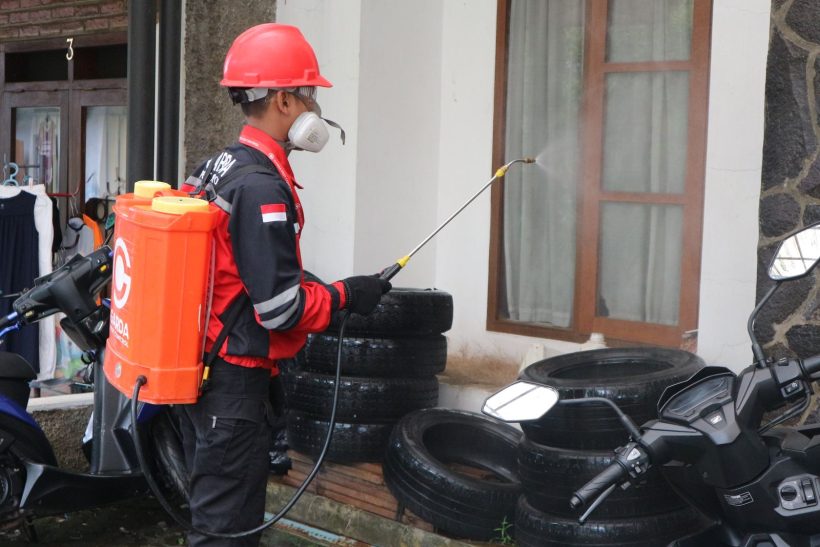
How We Deal With Rodents
Survey
We follow the runs, droppings and gnaw marks to work out how they are getting in, how many there are and what is feeding them.
Proof the entry points
We close what we can and give you a written list of what needs a builder, such as broken air bricks or a gap under a roller shutter.
Secure baiting
Tamper-resistant stations go where the rodents run, not where they are convenient. Placement is recorded so nothing is left behind.
Return and remove
We come back to check the stations, remove carcasses and confirm activity has stopped before we sign the job off.
Rats or Mice?
The treatment differs, so it is worth knowing which you have.
| Rats | Mice | |
|---|---|---|
| Droppings | Around 15 to 20mm, blunt ends, usually in a few concentrated spots | Around 5mm, pointed, scattered widely |
| Entry gap needed | About 20mm, roughly a two-shilling coin | About 6mm, roughly a biro |
| Where they nest | Burrows outside, drains, roof voids, under decking and rubble | Inside: wall cavities, behind appliances, in stored boxes |
| Behaviour | Cautious of new objects, so bait can take several days to be taken | Curious and nibble constantly, so multiple small bait points work better |
| Main risk | Chewed cabling, contaminated stores, damage to drains | Contaminated food, chewed packaging, rapid breeding |
Not sure which you have? Photograph the droppings next to a coin for scale and send it to us.
How We Work
Rodent work is judged by whether they come back, not by how much bait was used.
- Proofing is part of the quote. We do not treat baiting as the whole job, because it is not.
- Tamper-resistant stations, recorded placement. Safer around children and pets, and nothing gets abandoned on your property.
- We remove carcasses. Including the awkward ones. A rat dying in a cavity is the complaint we hear most about other contractors.
- We sign off on evidence. The job closes when activity has stopped, not when the visits are used up.
Frequently Asked Questions
Is the bait dangerous to my dog or cat?
Bait is placed inside tamper-resistant stations that pets cannot open, positioned where rodents run rather than in open areas. Tell us about your animals before we start and we will place accordingly. Secondary poisoning is a genuine risk with careless baiting, which is why we record every placement and collect carcasses.
Something has died in my wall and the smell is unbearable. Can you help?
Yes. We locate it as precisely as we can and remove it where the cavity can be accessed. Sometimes a small opening has to be made and made good afterwards. Where we cannot reach it we treat the area to control odour and flies while it dries out.
How long does it take?
Mice usually settle within one to two weeks. Rats are more cautious about new objects and can take two to three weeks before they take bait properly. Proofing works immediately.
Can you treat a warehouse or food store?
Yes. We work to a recorded station plan suitable for audits, and schedule around your operating hours.
What can I do myself?
Store food in sealed containers rather than bags, empty bins nightly, cut back vegetation touching the building, and fix dripping taps. Rodents need food, water and shelter. Remove any one of them and you are most of the way there.
Which areas do you cover?
Nairobi and the towns around it: Westlands, Kilimani, Lavington, Kileleshwa, Runda, Ruaka, Karen, Lang’ata, South B, South C, Embakasi, Ruiru, Kikuyu, Ngong, Kitengela and Syokimau. If you are just outside, ask.
Close the gaps for good
Tell us what you are seeing or hearing and we will tell you what you are dealing with.
Other services
We also handle all other pests, home and office relocation, cleaning and transport and logistics across Nairobi.