Most people call us after trying a supermarket spray for a few weeks. The pests went quiet for a day or two and then came back, sometimes in more rooms than before. That is not bad luck. Sprays aimed at the insects you can see miss the eggs, the nests and the hiding places, and some sprays push pests deeper into walls and neighbouring rooms.
Professional pest control works the other way round. We find out which pest it is, where it is living, why it is there and how it is getting in, then choose the treatment that fits. The aim is a property that stays clear, not a quiet weekend.
Pest control is not the same as fumigation
In Nairobi “fumigation” is used for almost every pest treatment, so we use the word too. Strictly speaking, fumigation means sealing a space and filling it with a gas that penetrates everything inside. It is used for things like grain stores, shipping containers and some structural infestations, and it requires specialist controls.
A typical home, flat, office or restaurant rarely needs gas fumigation. What it needs is targeted pest control, which can include:
- Inspection and identification, so the treatment matches the pest and the extent of the problem.
- Baits, such as cockroach gel bait placed where cockroaches shelter, or rodent bait inside tamper-resistant stations.
- Residual treatments, applied to cracks, skirting, frame joints and resting surfaces so that pests moving through later still pick them up.
- Physical methods, such as steam on bed bug harbourages, traps and monitoring devices.
- Proofing and prevention, which means closing gaps, managing moisture and removing food and breeding sites.
This combination is often called integrated pest management. It uses chemicals where they are needed, in the right places and at the right rates, rather than as a blanket.
Who our pest control service is for
- Homeowners and tenants in flats, maisonettes and standalone houses dealing with cockroaches, bed bugs, mosquitoes or rodents.
- Landlords, property managers and Airbnb hosts who need a unit treated between tenants or guests, quickly and discreetly.
- Offices and corporate premises, where treatment has to happen without disrupting staff.
- Restaurants, cafés and food businesses, where food-safe placement and out-of-hours scheduling matter.
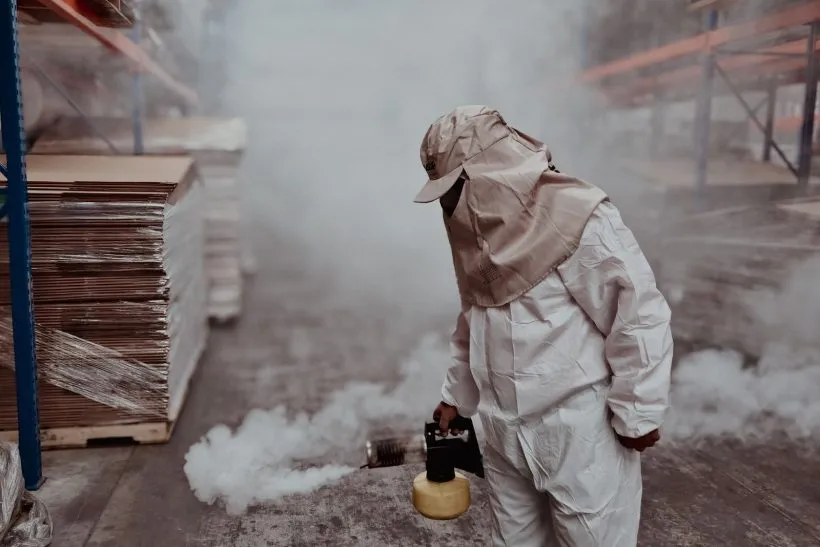
- Shops, stores and warehouses where stock, packaging and cardboard can attract and hide pests.
- Schools, clinics and institutions that need clear safety information for occupants.
The pests we treat
| Pest | Typical signs | Usual approach | Visits |
|---|---|---|---|
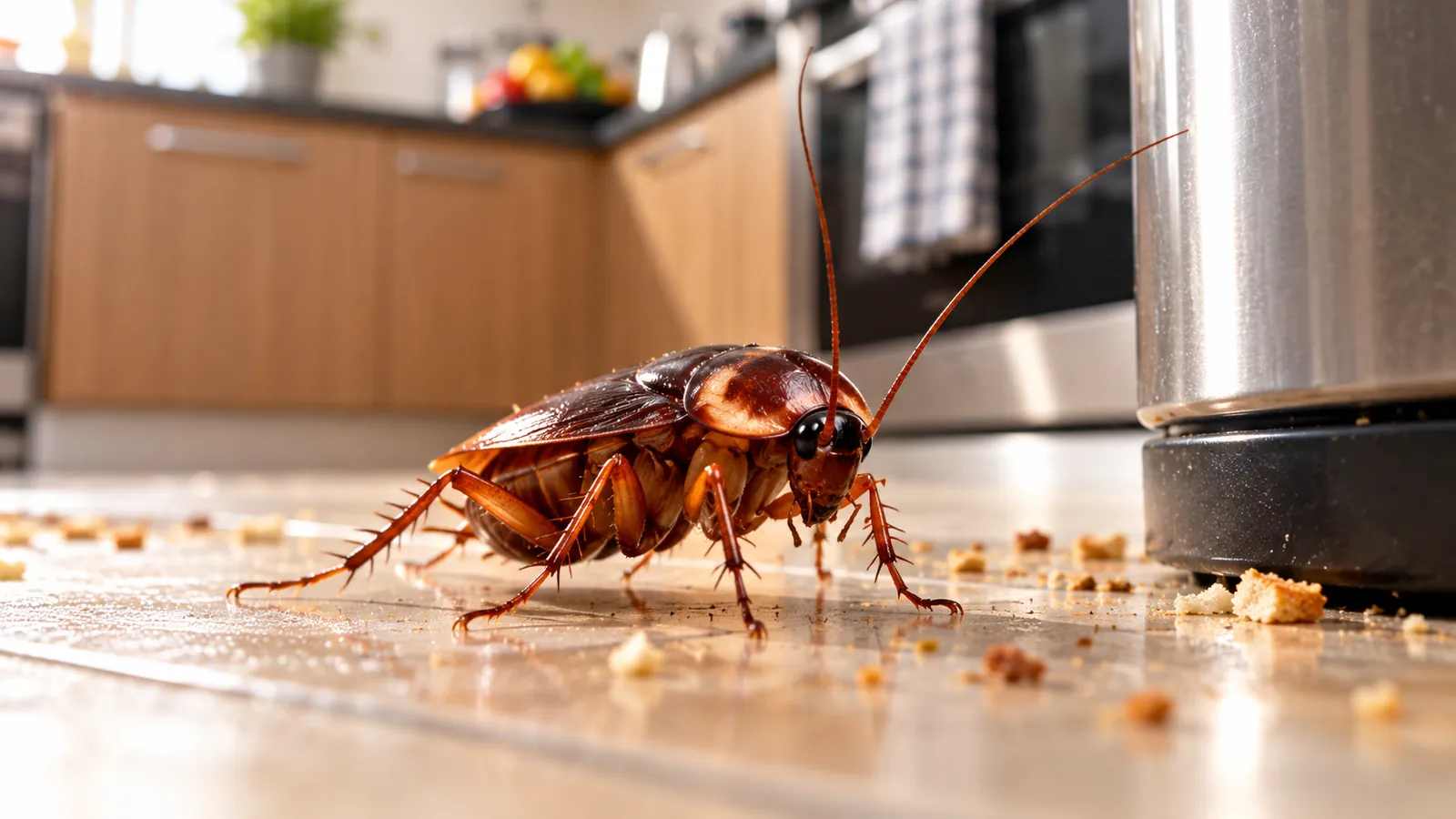
| Cockroaches | Live insects at night, droppings like ground pepper, egg cases, musty smell | Gel bait in harbourages plus residual treatment to cracks, drains and cabinet voids | One treatment, then a review visit |
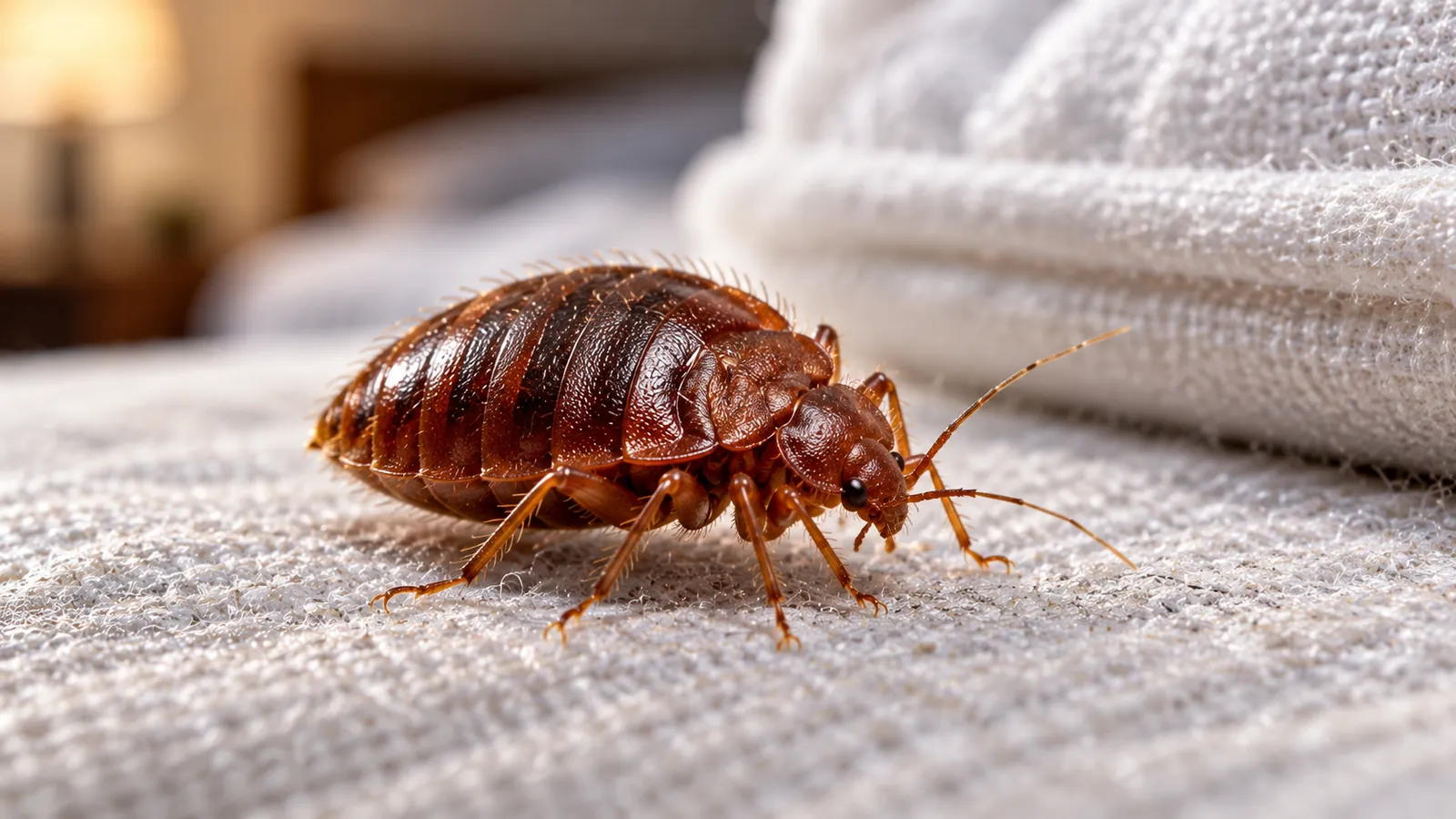
| Bed bugs | Bites in lines or clusters, dark spots on mattress seams, shed skins | Inspection, steam where suitable, residual treatment to beds, frames, skirting and furniture | Two treatments about 10 to 14 days apart |
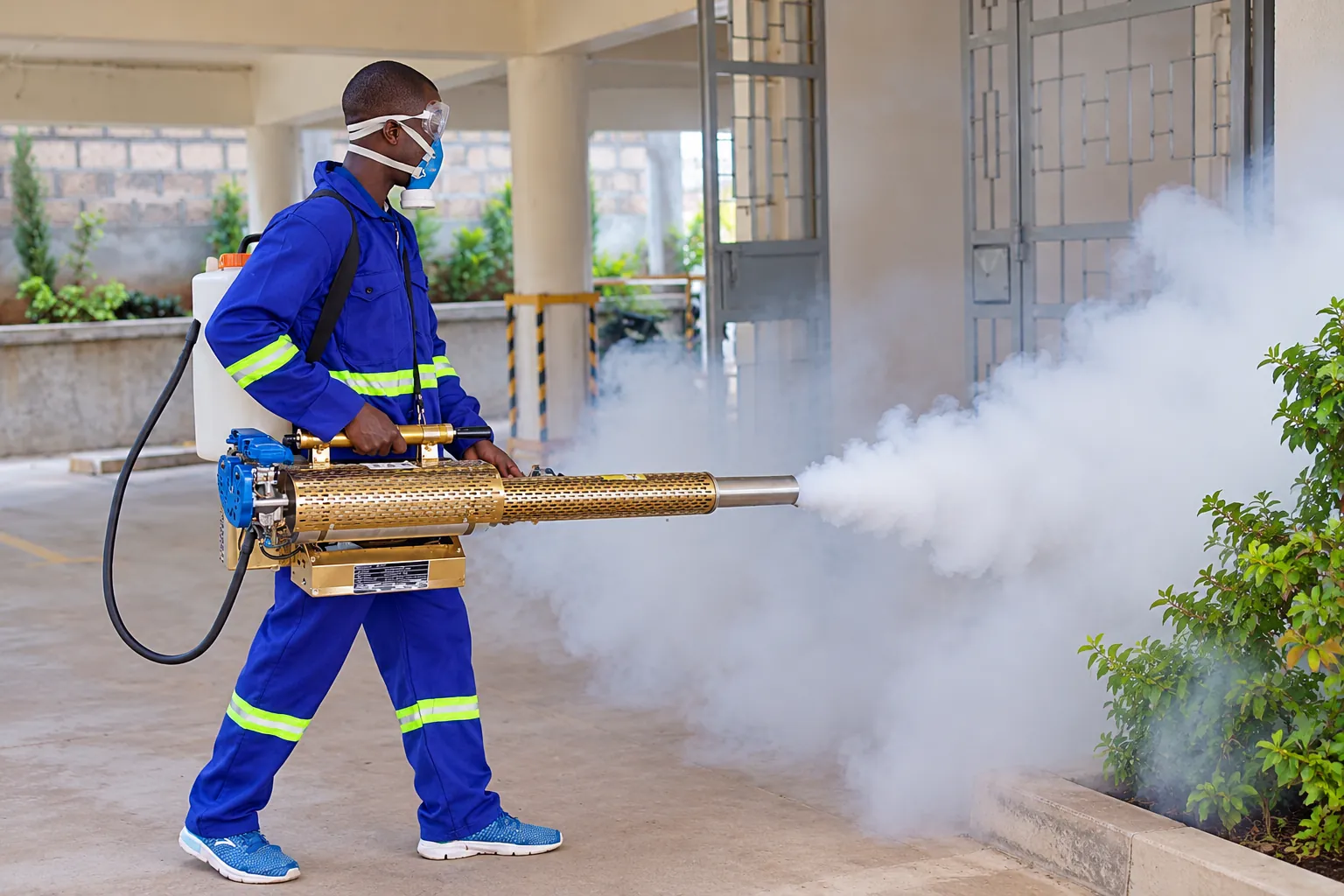
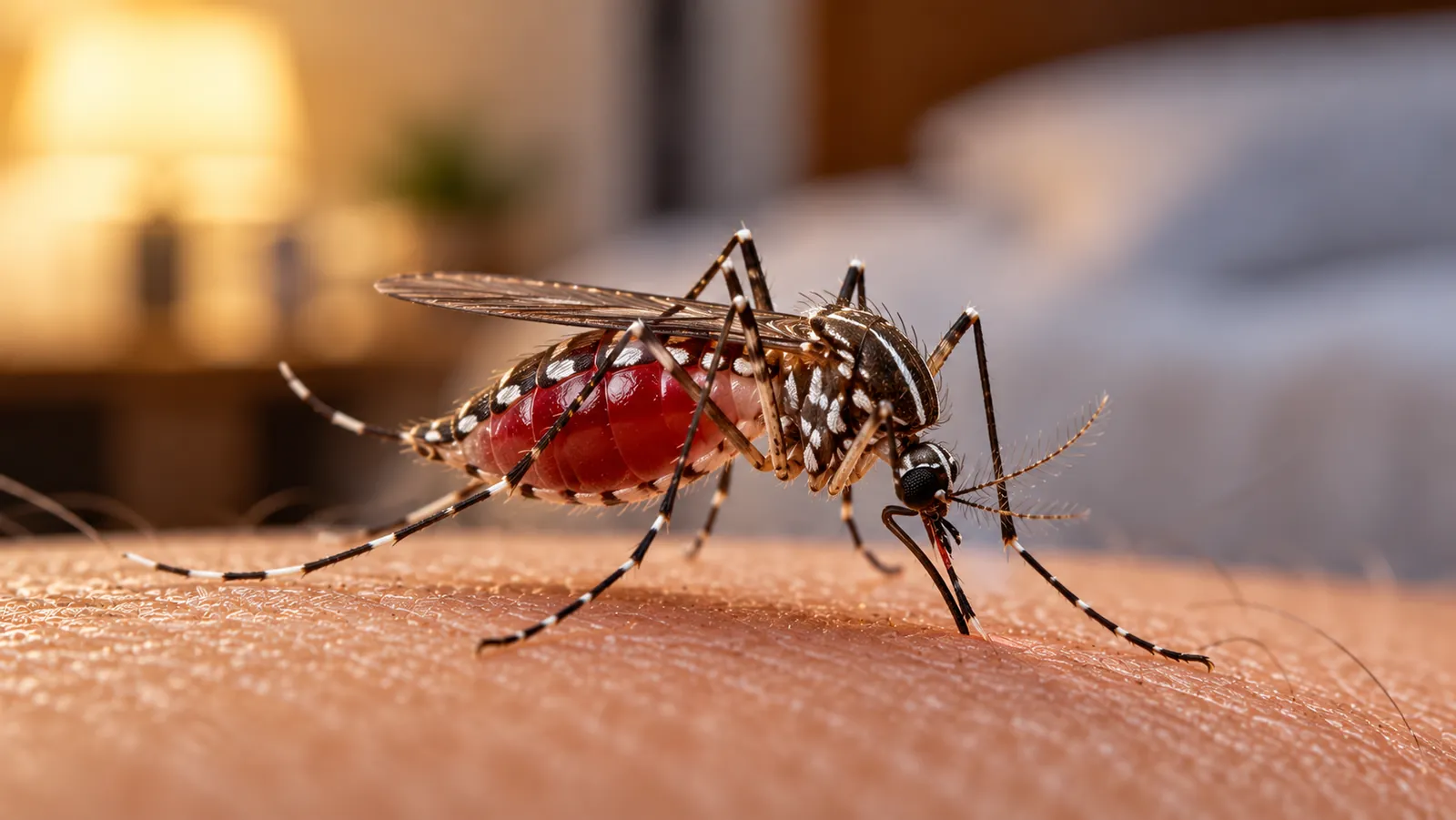
| Mosquitoes | Biting at night or during the day, adults resting on walls, larvae in standing water | Breeding-site survey, indoor residual spraying, outdoor fogging where useful | One visit, repeated seasonally if needed |
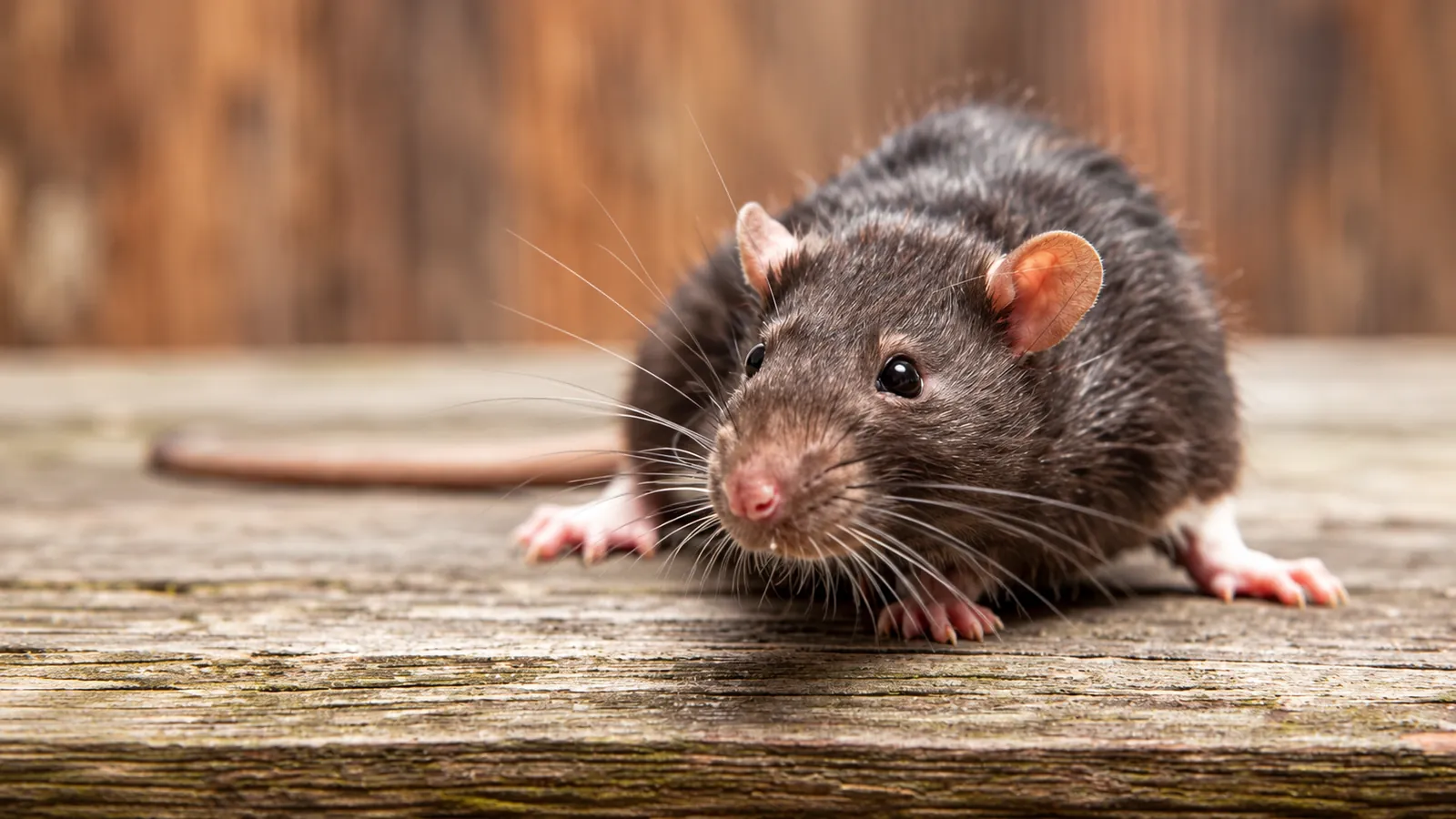
| Rats and mice | Droppings, gnaw marks, chewed cables, scratching in the ceiling | Survey, entry-point proofing, secure baiting stations, carcass removal | Treatment plus a check visit |
We confirm the exact method after inspecting your space. If we find a pest outside this list, such as ants, fleas or termites, tell us and we will say plainly whether we can help or who you should call.
What is included in a pest control visit
Every treatment we quote includes:
- An inspection of the affected rooms and the likely source areas around them.
- Identification of the pest and an honest view of how established the problem is.
- A written note of the product we will use and the re-entry time, given before we treat.
- Preparation advice tailored to the treatment, sent ahead of the visit.
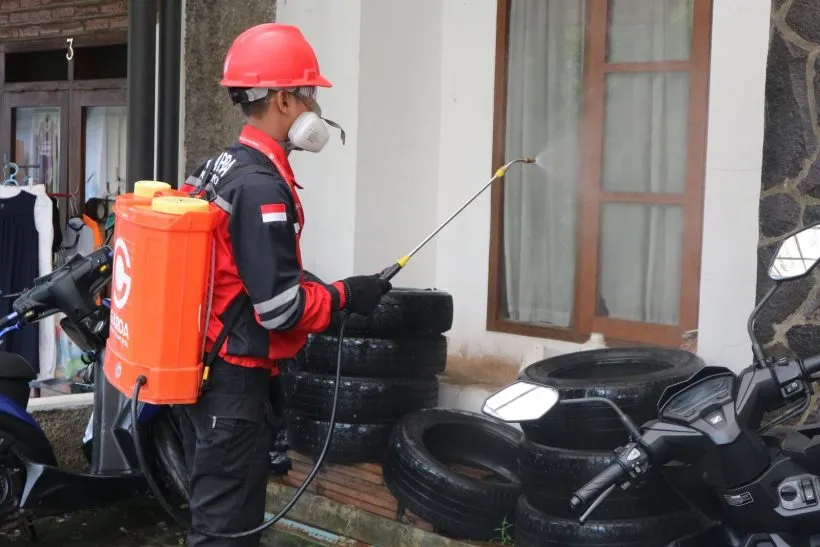
- The treatment itself, applied by a trained technician using protective equipment.
- Aftercare advice, including what to clean, what not to clean and what to watch for.
- A follow-up visit where the pest requires one. For bed bugs and cockroaches this is included in the quote, not added later.
If the pest returns within the agreed follow-up window, we come back.
What is excluded or quoted separately
- Building repairs. We close small gaps where we can and give you a written list of anything that needs a builder, such as broken air bricks or gaps under roller shutters.
- Building-wide treatment. In apartment blocks, cockroaches and bed bugs move between units. If treating one unit will not hold, we say so and can quote for the block, usually through the landlord or management.
- Specialist structural fumigation of the kind that requires sealing and gassing a whole building.
- Pests we do not treat. If your problem needs a different specialist, we will tell you at the quote stage.
How our pest control process works
- You tell us what you are seeing. Send your location, the type of property and a photo if you have one. WhatsApp is the fastest way.
- We inspect and quote. We confirm the pest, how far it has spread and what the space needs, then give you a firm price that includes any follow-up.
- You prepare the space. We send a short checklist for your specific treatment, such as clearing kitchen cabinets or stripping bedding.
- We treat. The technician explains what they are doing, applies the treatment and tells you when it is safe to return.
- We follow up. For pests that need a second visit, we return on the agreed date. If the pest comes back within the agreed window, so do we.
Before the visit
Good preparation has a big effect on the result. The details depend on the pest, but the basics are:
- Do not spray the area yourself in the days before treatment. It scatters many pests and can make baits less effective.
- Clear floors and the areas we need to reach, such as under the sink, behind the cooker or along bedroom skirting.
- Put food, utensils and toothbrushes away in sealed containers or cupboards that are not being treated.
- Remove pet bowls and bedding and cover aquariums.
- Tell us about anyone in the home who is pregnant, very young, elderly or has asthma, so that we can plan the product and the timing.
During and after treatment
On the day, the technician will walk through the affected areas with you, confirm the plan and then treat. For most treatments you will be asked to leave the treated rooms for a set time. When you return, open windows and let the room ventilate before using it normally.
Afterwards, avoid washing or mopping treated edges, cracks and skirting for the period we advise, because residual treatments need to stay in place to keep working. It is normal to see some pests for a short while as they come out of hiding and contact the treatment. Keep a note of where and when you see activity, and share it at the follow-up visit.
Safety
Pesticides are useful because they are toxic to pests, so they deserve respect. We use registered products at the rates on the label, apply them where pests live rather than across open surfaces, and keep baits inside tamper-resistant stations where children and animals cannot reach them. You will always know what was used and when it is safe to go back in.
If you want to check a product yourself, ask for its name and registration details. Products for use in Kenya are regulated by the Pest Control Products Board.
What affects the price of pest control
| Factor | Why it matters |
|---|---|
| Type of pest | Bed bugs and rodents usually need more time, more visits and more inspection than a single mosquito treatment. |
| Size and layout of the property | A bedsitter and a four-bedroom house with servants' quarters are very different jobs. |
| How established the problem is | A recent sighting needs less work than an infestation that has spread to several rooms. |
| Number of visits | Follow-up visits are built into the quote where the pest needs them. |
| Property type and access | Restaurants, warehouses and occupied offices may need out-of-hours work. |
| Proofing and prevention work | Closing entry points for rodents or treating drains for cockroaches adds time but makes the result last. |
We do not publish a price list because a price given without seeing the problem is a guess. Send a photo and we will give you a firm figure. For a detailed explanation, read how much fumigation costs in Nairobi.
Common mistakes that make pest problems worse
- Spraying before calling a professional. Aerosols scatter cockroaches and bed bugs and make the problem harder to find.
- Treating only the room where you saw them. Pests live where it is dark, warm and close to food and water, which is often the next room or the drain.
- Skipping the second visit. For bed bugs and cockroaches, the follow-up is the visit that catches newly hatched pests.
- Cleaning off residual treatments too soon. Mopping treated skirting the next day removes much of the protection.
- Ignoring how they got in. Without proofing or source reduction, the next wave walks straight in.
Why use a professional pest control service
A professional brings the right product for the pest, knows where to place it, and understands the life cycle well enough to time the follow-up. Just as important, a professional can tell you when a problem is coming from outside your control, such as a neighbouring unit or a blocked drain on the compound, and what needs to happen to fix it. That saves money you would otherwise spend on repeat treatments that cannot work.
Areas we serve
We carry out pest control across Nairobi, including Westlands, Kilimani, Lavington, Kileleshwa, Runda, Karen, Lang'ata, South B, South C and Embakasi, and in surrounding areas such as Ruaka, Ruiru, Kikuyu, Ngong, Syokimau and Kitengela. If your location is not listed, ask us.