How to Get Rid of Bed Bugs in Kenya: Identification, Treatment and Prevention
Bed bugs are hard to clear, but not impossible. How to confirm you have them, what actually works, what makes things worse, and how to keep them out for good.
By Cleantique SolutionsPublished 7 min read
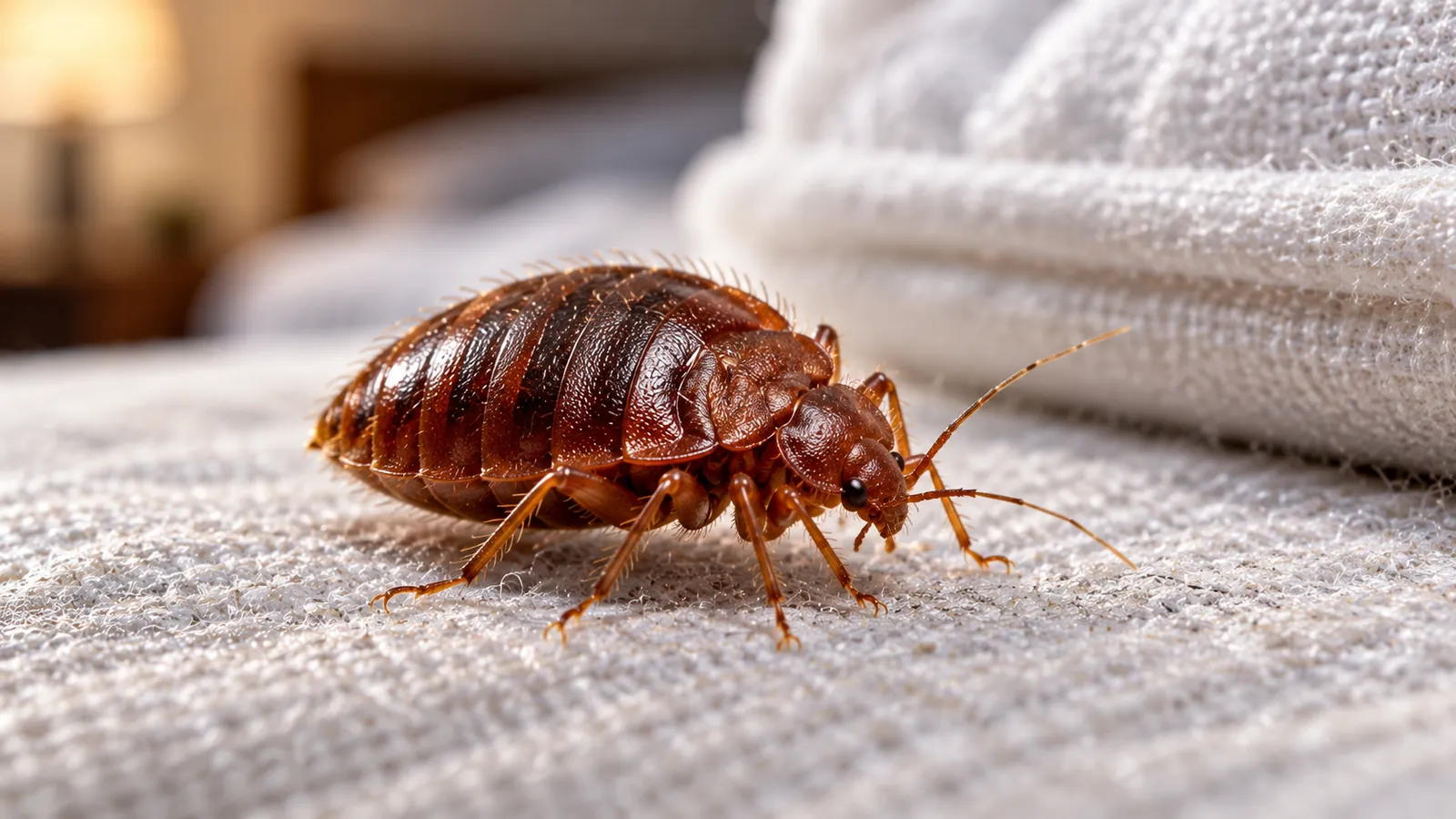
Few household problems cause as much stress as bed bugs. The bites, the broken sleep and the worry that they will spread to every room, or that people will think your house is dirty, all add up. The good news is that bed bugs can be cleared. The bad news is that they rarely go away with a quick spray.
This guide explains how to confirm you have bed bugs, why they are so persistent, what you can do yourself, what a proper professional treatment involves and how to prevent them coming back.
What bed bugs are
Bed bugs are small, wingless insects that feed on human blood, usually at night. Adults are flat, oval and reddish-brown, about the size of an apple seed. Young bed bugs (nymphs) are smaller and paler, and eggs are tiny, white and about the size of a pinhead. They cannot jump or fly. They crawl, and they travel by hitching rides in bags, luggage, furniture and clothing.
Bed bugs are not a sign of dirt. They feed on blood, not rubbish, and they are found in spotless homes, good hotels, hostels, offices and public transport.
How to tell if you have bed bugs
Look for these signs:
- Bites that appear after sleeping, often in a line or cluster on the arms, neck, shoulders or legs. Some people do not react at all, so lack of bites does not rule them out, and bites alone do not prove bed bugs.
- Dark spots on sheets, mattress seams, the bed frame or nearby walls. These are droppings and look like dots from a felt-tip pen.
- Small blood smears on sheets or pillowcases.
- Shed skins and empty egg shells in seams and joints.
- Live bugs in mattress piping, under labels, in frame joints or behind the headboard.
- A sweet, musty smell in heavily infested rooms.
How to check
Use a torch and a card or old bank card. Strip the bed and check:
- Mattress seams, piping, labels and corners, top and bottom.
- The bed frame joints, slats and screw holes.
- The back of the headboard and where it meets the wall.
- Bedside tables, especially drawer runners and joints.
- Skirting boards and wall cracks near the bed.
- Sofas and chairs where people sleep or sit for long periods.
If you find something you are not sure about, take a clear photo next to a coin and ask a professional to identify it.
Why bed bugs are so hard to get rid of
- They hide in tiny cracks. Being flat lets them squeeze into seams, screw holes and gaps in furniture and walls.
- Their eggs are protected. Eggs are glued into crevices and many products do not affect them. They hatch over the following one to two weeks.
- They can survive without feeding for long periods, especially in cooler conditions.
- They spread when disturbed. Spraying, moving furniture or sleeping in another room often spreads them to new areas.
- Some populations resist common insecticides, which is one reason household sprays often fail.
What makes bed bugs worse
Before doing anything else, avoid these common mistakes:
- Spraying with household insecticide. It kills a few, scatters the rest and can make them harder to treat.
- Moving to the sofa or another bedroom. The bugs follow and you end up with two infested rooms.
- Throwing the mattress out before treatment. Dragging it through the house and stairwell spreads bugs, and the frame and room remain infested.
- Carrying bedding and clothes around the house unbagged.
- Using paraffin, petrol or other flammable liquids. This is dangerous and does not solve the problem.
What you can do yourself
These steps help, whether or not you use a professional:
- Wash and dry with heat. Wash bedding and clothes from the affected room at the hottest temperature the fabric allows and dry thoroughly in a hot dryer or strong sun. Heat kills all life stages.
- Bag items. Put washed items in sealed plastic bags until the problem is resolved.
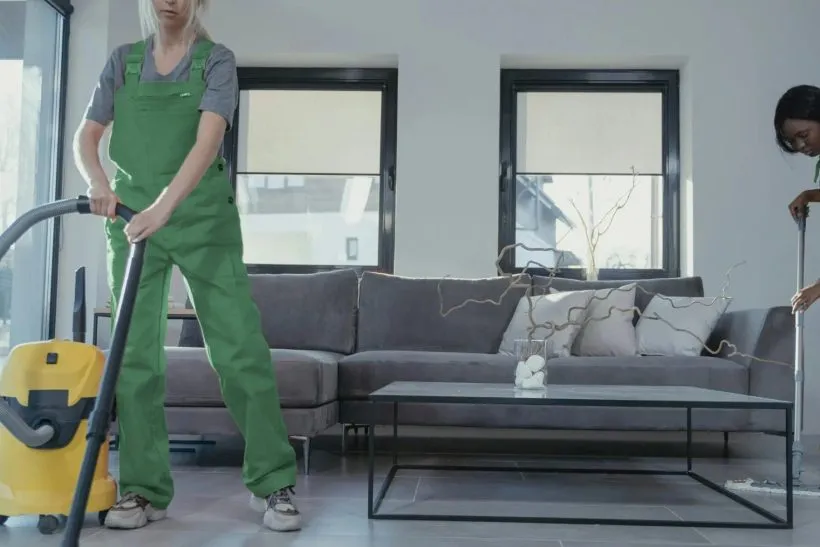
- Vacuum. Vacuum mattress seams, frames, skirting and floors carefully, then seal and dispose of the vacuum bag outside.
- Declutter. Clutter gives bed bugs places to hide. Clear items from under the bed and around it.
- Encase the mattress. A zipped, bed bug-proof encasement traps any bugs inside and makes inspection easier.
- Pull the bed away from the wall and keep bedding off the floor.
These measures reduce numbers, but on their own they rarely clear an established infestation. The eggs and hidden bugs in frames, furniture and walls usually need professional treatment.
What professional bed bug treatment involves
A thorough professional treatment usually follows this pattern:
- Inspection of beds, frames, headboards, furniture, skirting and neighbouring rooms to find every harbourage.
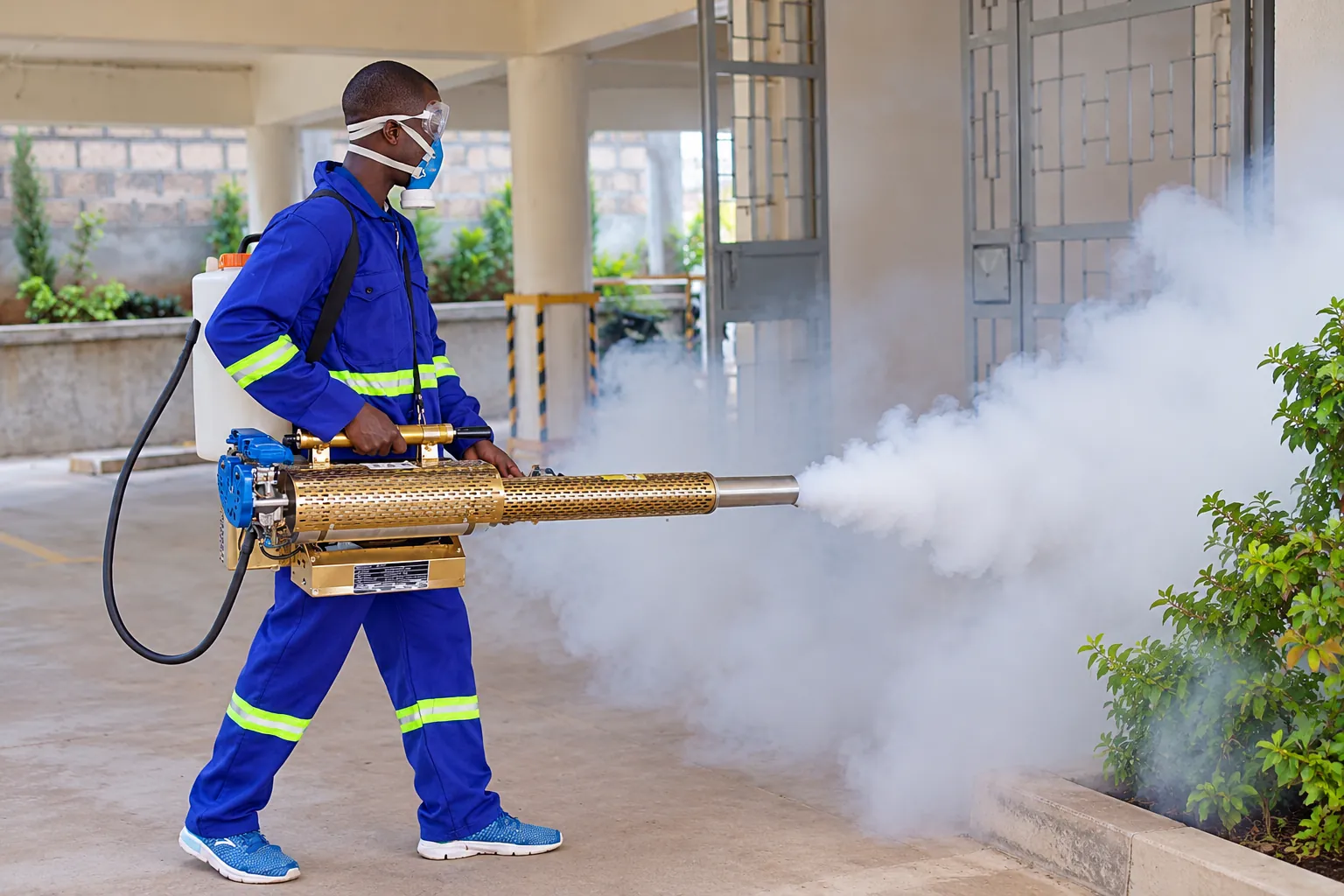
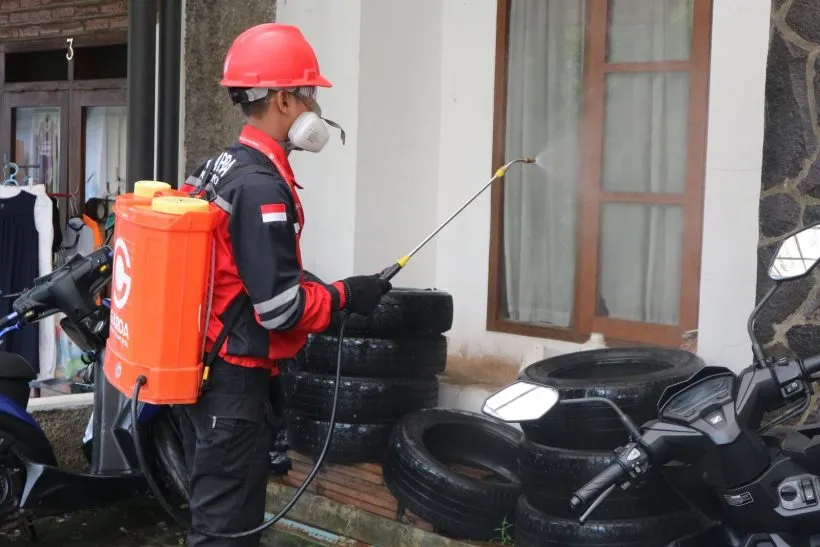
- First treatment using methods such as steam on seams and upholstery and a residual treatment applied to joints, cracks, skirting and furniture. Treated rooms are left empty for several hours.
- Second treatment about 10 to 14 days later, timed to catch the young bed bugs that hatched from eggs after the first visit.
- Confirmation that activity has stopped, with a further visit if evidence remains.
For more on how we approach this, see our bed bug control service.
Heat versus chemical treatment
Heat kills bed bugs and eggs when the temperature is high enough for long enough. Hot washing and drying, steam on surfaces, and whole-room heat treatment all use this principle. Steam treats the surface it touches but does not keep working once it cools. Residual chemical treatments keep working in cracks for weeks, so bugs that emerge later still contact them, but they do not reliably reach every egg. Combining methods, and timing a second visit to the hatching window, gives the best results.
How to prepare for treatment
| Task | Why |
|---|---|
| Wash and hot-dry all bedding and clothes from affected rooms; bag them | Kills all life stages on fabrics and prevents spread |
| Clear floors, empty bedside drawers and clear under the bed | Gives access to every hiding place |
| Pull furniture slightly away from walls | Allows treatment of wall junctions |
| Remove pet bedding and cover aquariums | Standard precaution for residual treatment |
| Do not spray anything yourself beforehand | Avoids scattering the bugs |
The US Environmental Protection Agency's guide to preparing for bed bug treatment is a good additional reference.
After treatment: what to expect
- You may see a few bed bugs in the days after the first treatment. That is normal, particularly as eggs hatch.
- Sleep in your usual bed. Bugs coming out to feed cross the treated surfaces.
- Do not move furniture or bedding between rooms until after the second treatment.
- Avoid cleaning treated cracks and skirting until advised.
- Keep washed clothes bagged until the treatment is complete.
Bed bugs and moving house
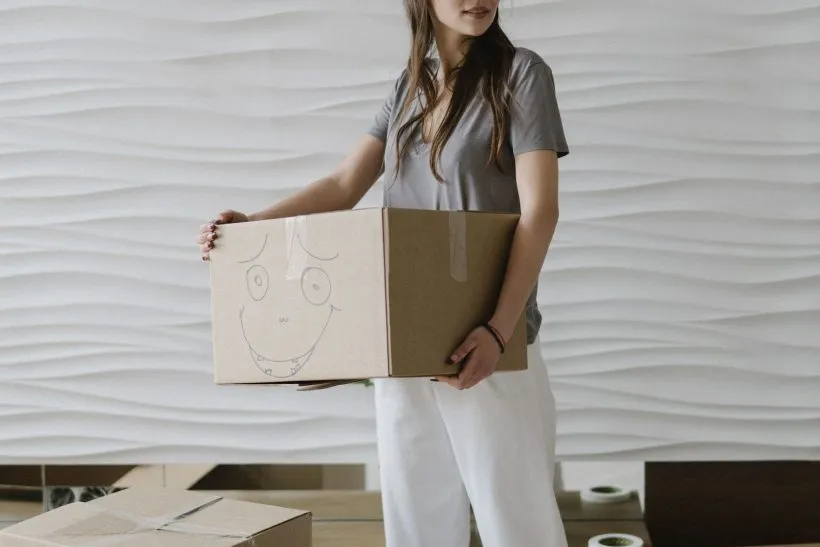
If you are moving, do not take bed bugs with you. Treat before the move, wash and dry fabrics on high heat, pack clothes in sealed bags, inspect furniture before loading and consider treating the new property before your furniture arrives. Read our house moving checklist for more.
How to prevent bed bugs
- After travel, inspect luggage before bringing it into the bedroom and wash clothes on high heat.
- Inspect second-hand furniture, especially beds and sofas, before bringing it home.
- Use a light-coloured mattress encasement so that any signs are easy to see.
- Keep clutter under control around beds.
- Act quickly at the first sign. A small problem is far easier and cheaper to clear.
- For landlords and hosts, inspect beds between guests or tenants and treat empty units before reletting.
Frequently asked questions
Can bed bugs live in my clothes?
They can hide in clothes, especially in piles near the bed or on the floor. Washing and drying on high heat kills them.
How long does it take to get rid of bed bugs?
With proper preparation and two professional treatments, most infestations are cleared within three to four weeks. Severe or widespread infestations can take longer.
Do bed bugs carry disease?
Bed bugs are not known to transmit disease to people, but bites can be itchy, cause skin irritation and disrupt sleep. If bites become infected or you have a strong reaction, see a doctor or pharmacist.
Will bed bugs die if I leave the house empty?
Not quickly. Bed bugs can survive for months without feeding in some conditions. Leaving a house empty is not a reliable treatment.
Can I get rid of bed bugs without professional help?
Very small, early infestations confined to one bed can sometimes be controlled with thorough heat washing, vacuuming, encasements and monitoring. Established infestations almost always need professional treatment because of the eggs and hidden bugs.
If you think you have bed bugs, send us a photo on WhatsApp or request a quote. We will confirm what it is and what it will take to clear.
About this guide
Written by the Cleantique Solutions team for homes and businesses in Nairobi. It is general guidance, not a substitute for an inspection or professional advice about your specific property. If anything here is unclear or out of date, tell us at hi@cleantique.co.ke.