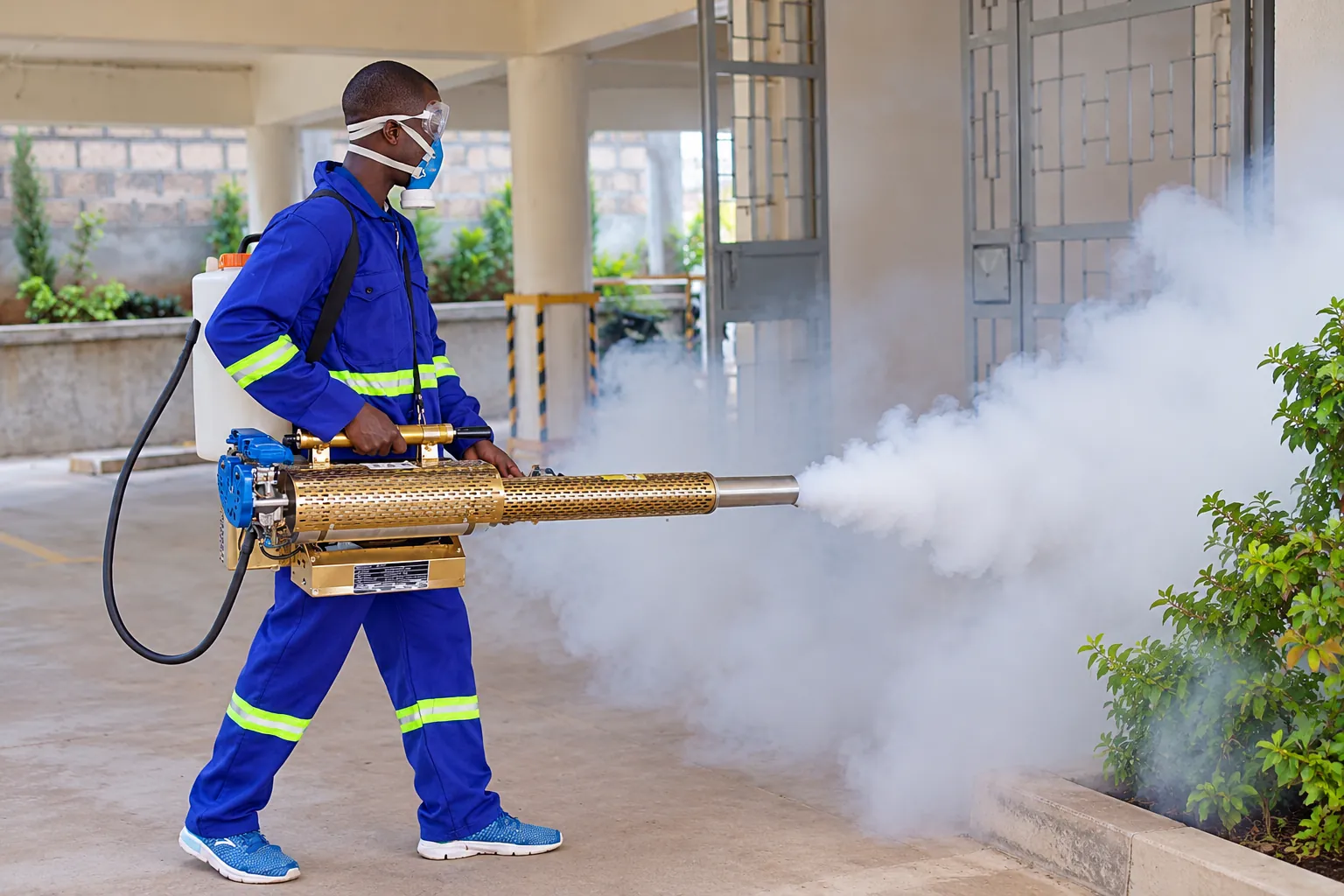
How Often Should You Schedule Pest Control for Your Home or Business?
There is no single right answer. The best schedule depends on the property, the pest pressure around it and the season. Here is a practical guide for homes and businesses.
By Cleantique SolutionsPublished 4 min read
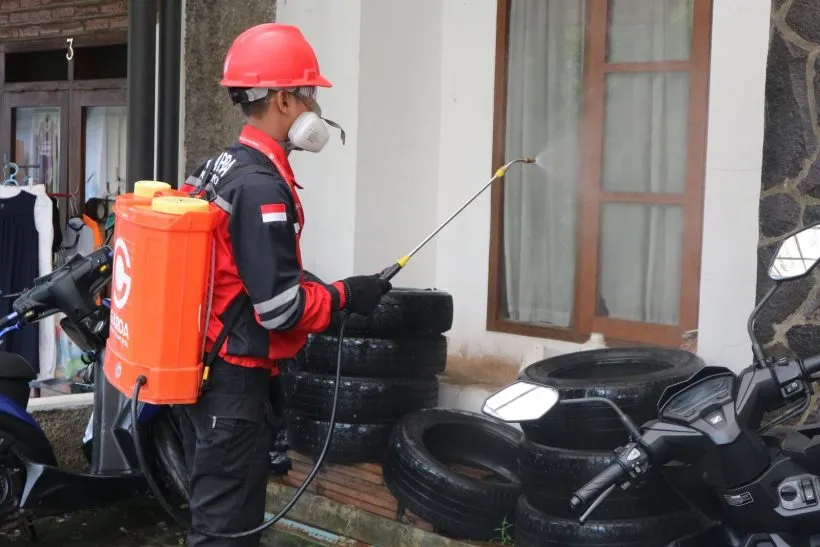
People often ask whether they should fumigate their house every three months, every six months or once a year. The honest answer is that there is no single right frequency. Treating on a fixed calendar when there are no pests wastes money and puts unnecessary product into your home. Waiting until an infestation is out of control costs more to fix.
The right schedule depends on three things: the type of property, the pest pressure around it and the season. This guide gives practical starting points.
Reactive or preventive?
Reactive pest control means treating when you see a problem. It suits most private homes with good hygiene and no history of recurring pests.
Preventive or scheduled pest control means regular inspections and treatment where needed, whether or not a problem is visible. It suits properties where pests are likely to arrive frequently, where an infestation would be costly or damaging to reputation, or where records are needed.
Most good programmes combine the two: regular inspections, with treatment only where the inspection shows it is needed.
Starting points by property type
| Property | Typical approach | Why |
|---|---|---|
| Private home, no history of pests | Treat when needed; inspect after travel or when moving furniture in | Routine treatment is not necessary if there are no signs |
| Home with recurring cockroaches or mosquitoes | Seasonal check, often before and during the rains, plus treatment when needed | Pressure from outside or neighbouring units keeps returning |
| Apartment block | Coordinated treatment of units and common areas, often twice a year, plus reactive visits | Pests move between units through shared services |
| Rental units and Airbnbs | Inspection and treatment between tenants or guests where needed | Turnover brings new risks, especially bed bugs |
| Restaurants and food businesses | Regular programme, often monthly inspections with bait and monitoring | High food availability and reputational risk |
| Offices | Inspections every few months; treatment when needed | Kitchenettes and stores attract cockroaches and rodents |
| Warehouses and stores | Ongoing rodent monitoring with regular station checks | Stock and packaging attract rodents; damage is costly |
| Schools, clinics and institutions | Scheduled inspections with clear safety communication | Many occupants and duty of care |
How the pest changes the answer
- Cockroaches in homes often need a treatment and a review visit, then nothing further if hygiene and proofing are good. Food businesses usually need ongoing monitoring.
- Bed bugs are treated when found, with two visits. Prevention is about inspection, especially after travel and in rentals, not regular spraying.
- Mosquitoes are seasonal. Indoor residual spraying before or at the start of the rains, and breeding-site checks throughout, works better than a fixed schedule.
- Rodents need proofing and monitoring. In high-pressure areas, such as near markets, drains or food stores, ongoing station checks are often worthwhile.
How the season affects timing
Nairobi's rains have a strong effect on pests:
- Long rains (roughly March to May) and short rains (roughly October to December): mosquito numbers rise sharply. Rodents may move indoors to escape flooded burrows.
- Dry spells: cockroaches and rodents may come indoors looking for water.
- End of the year and holidays: travel increases the risk of bringing bed bugs home.
A useful pattern for many homes is a check before the long rains, a check before the short rains, and reactive treatment as needed in between.
Signs you need treatment now
Do not wait for a scheduled visit if you notice:
- Cockroaches in daylight, or droppings in drawers and cupboards.
- Bites after sleeping, or dark spots on mattress seams.
- Droppings, gnaw marks or scratching sounds in the ceiling.
- Mosquitoes in large numbers indoors despite screens.
Early treatment is cheaper and faster than treating an established infestation.
What a sensible programme looks like for a business
- An initial inspection and treatment to bring any existing activity under control.
- A written plan setting out what will be monitored, how often and what triggers treatment.
- Monitoring devices such as rodent stations and insect monitors placed and recorded.
- Regular visits with a short report of findings and actions.
- Recommendations on hygiene, storage and proofing.
- A review every few months to adjust the frequency.
Reducing the need for treatment
The less attractive your property is to pests, the less often you will need treatment:
- Store food in sealed containers and clean up daily.
- Fix leaks and remove standing water.
- Seal gaps around pipes, doors and vents.
- Remove clutter and cardboard.
- Keep bins lidded and away from buildings.
- Inspect second-hand furniture and luggage.
Frequently asked questions
Should I fumigate my house every three months?
Not unless there is a reason. If you have no signs of pests, routine spraying is unnecessary. Treat when there are signs, and consider seasonal checks if you have had recurring problems.
Is it worth having a pest control contract for a small restaurant?
Usually, yes. Restaurants have constant food availability, and a visible pest problem can be very damaging. A monitoring programme catches problems early, and treatment can be scheduled outside service hours.
Should I treat a new house before moving in?
It is a good idea, especially if the property has been empty, is near a building site or had previous tenants. Treating an empty property is easier and more effective than treating once furniture is in.
How do I know if a programme is working?
You should see fewer signs of activity over time, and the provider should be able to show you what they found and did at each visit.
Not sure what your property needs? Ask for an inspection and recommendation.
About this guide
Written by the Cleantique Solutions team for homes and businesses in Nairobi. It is general guidance, not a substitute for an inspection or professional advice about your specific property. If anything here is unclear or out of date, tell us at hi@cleantique.co.ke.