Cockroaches are the pest we are asked about most in Nairobi. They are common in flats, older houses, food businesses and any building with shared plumbing. They are not a sign that a home is dirty. They arrive in shopping bags, cardboard deliveries and second-hand appliances, and they move between flats along pipes and service ducts. Once they are settled near warmth, water and food, they breed quickly.
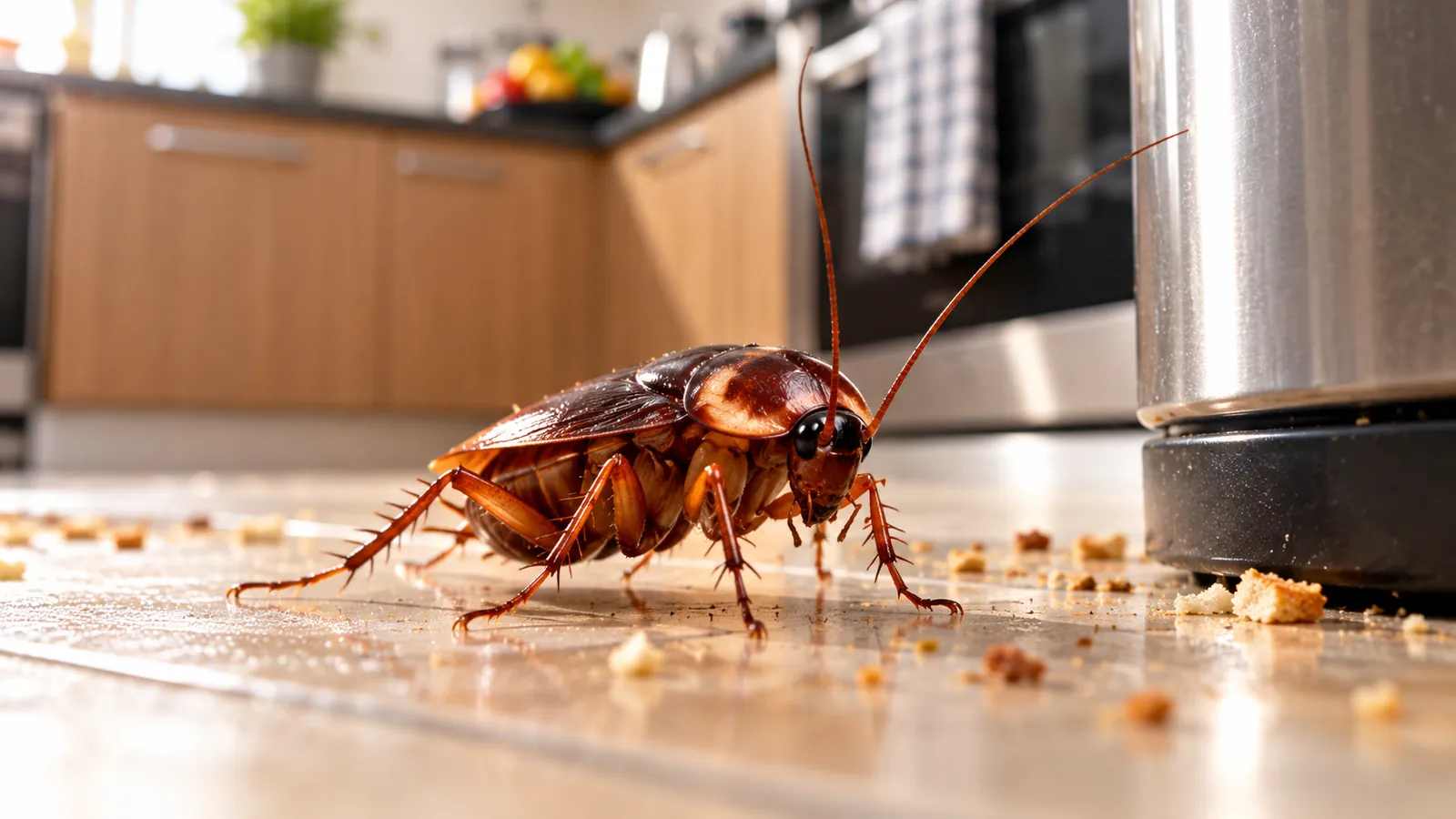
The species found in most Nairobi kitchens is the small, light-brown German cockroach. You may also see the larger reddish-brown American cockroach, which tends to come up from drains, sewers and manholes. The two behave differently, so we identify which one you have before we decide how to treat.
Signs of a cockroach infestation
- Cockroaches running for cover when you switch on the kitchen light at night.
- Droppings that look like ground black pepper or coffee grounds in drawers, cupboard corners and along shelves.
- Brown, capsule-shaped egg cases behind appliances or in cabinet hinges.
- Small dark smear marks along edges where they travel.
- A musty, oily smell in cupboards with a heavier infestation.
- Seeing them in daylight, which usually means the population is large or their hiding places are crowded.
Why cockroaches choose kitchens and storage areas
Cockroaches need three things: food, water and somewhere warm and tight to hide. Kitchens give them all three. Crumbs and grease behind the cooker, a dripping tap or a damp sink cabinet, and the warm motor housing of a fridge make ideal conditions. Bathrooms are the next most common area because of constant moisture. In shops and stores, stacked cardboard gives them shelter and food.
A female German cockroach carries her egg case with her until it is almost ready to hatch, and each case holds dozens of eggs. That is why a population that seems small can grow quickly, and why spraying the adults you can see does not solve the problem.
Where cockroaches hide
When we inspect, we look in the places you do not normally see:
- Behind and under the fridge, cooker and microwave, including motor housings.
- Inside cabinet voids, hinges, and the gap behind the kick plate under kitchen units.
- Under the sink, around pipe entry points and in drain surrounds.
- Behind the toilet cistern and under the basin in bathrooms.
- Inside electrical appliances such as kettles, toasters and the backs of TVs in heavy infestations.
- In store rooms, along shelving edges and inside stacked cartons.
How we treat cockroaches
- Inspection and identification. We confirm the species, find the main harbourages and judge how far the problem has spread, including whether it is likely to be coming from a neighbouring unit or drain.
- Gel bait in the harbourages. Small placements of bait go into cracks, hinges and voids where cockroaches shelter. They feed, return to the harbourage, and the effect spreads through the population, including cockroaches we never see.
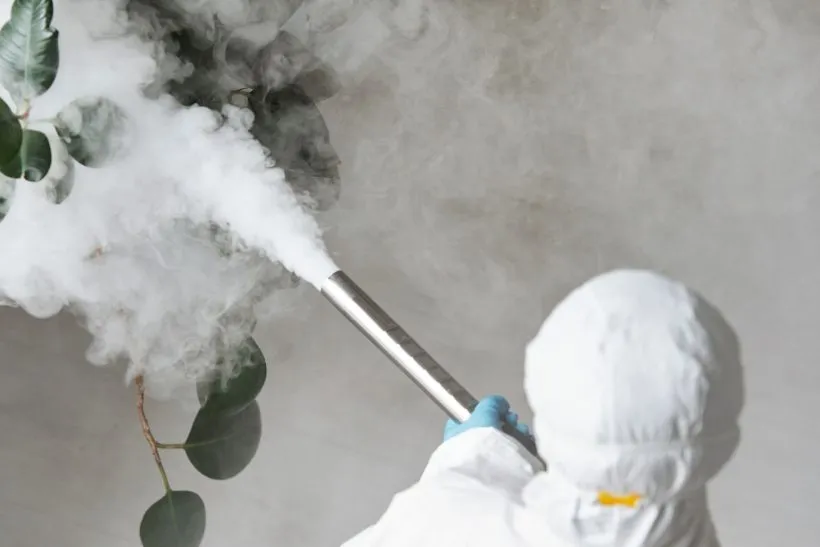
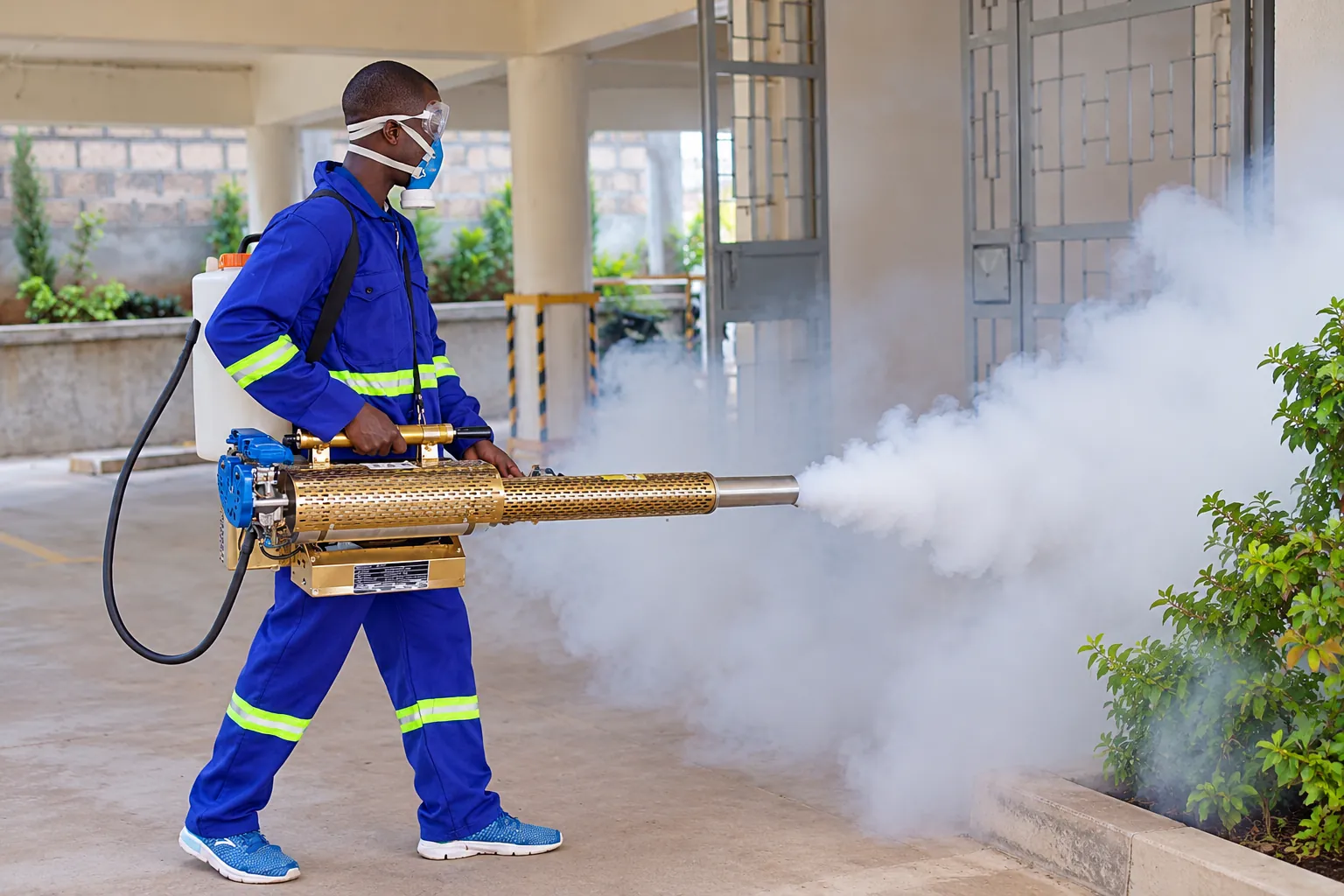
- Residual treatment at the edges. Where suitable, we apply a residual product to skirting, cracks, service ducts and drain surrounds so that cockroaches moving between rooms pick it up.
- Advice on entry points and moisture. We point out gaps around pipes, broken drain covers and leaks that will let them come back.
- Review visit. We return after about two weeks to check activity, top up bait where needed and treat any area that is still active. Persistent kitchens sometimes need a third pass.
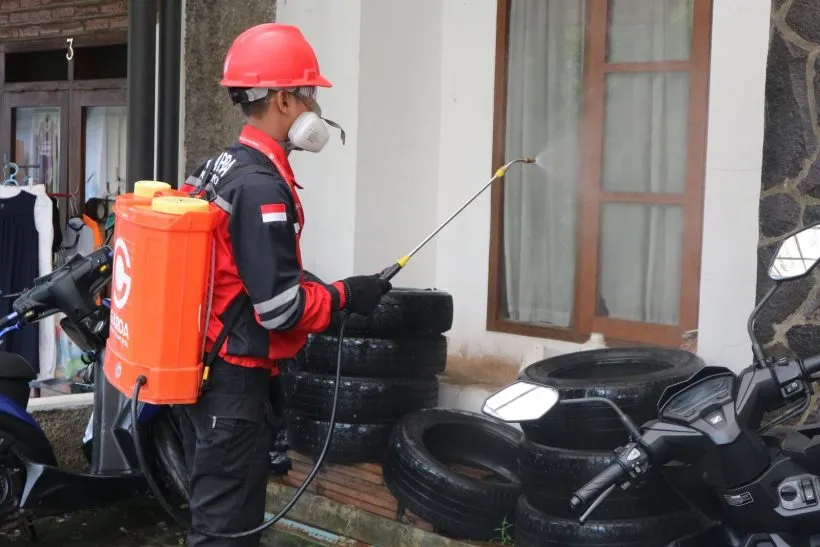
We avoid heavy blanket spraying. It scatters cockroaches into neighbouring rooms and units, contaminates surfaces unnecessarily, and can make bait less attractive.
What is included
| Area | What we do | Why it matters |
|---|---|---|
| Kitchen | Gel bait in cabinet voids, hinges and behind appliances; residual treatment to skirting and cracks | Most colonies live within a few metres of the sink or cooker |
| Drains and plumbing | Treatment of drain surrounds and pipe entry points | In flats this is the main route between units |
| Bathrooms | Bait behind the cistern and under the basin; residual to pipe boxing | Constant moisture makes bathrooms the second most common area |
| Store rooms | Residual treatment to shelving edges and wall junctions; inspection of cartons | Cardboard deliveries often bring cockroaches in |
| Review visit | Inspection, bait top-up and spot treatment | Egg cases can hatch after the first visit |
What is excluded or quoted separately
- Treatment of other units, common areas or building drains, which can be quoted separately for landlords and management.
- Repairs such as replacing broken drain covers, sealing large gaps or fixing leaks. We will list what we find.
- Deep cleaning of heavily soiled kitchens. If grease and debris are thick, a deep clean before or after treatment makes the treatment work far better.
Before we arrive
- Do not spray insecticide in the week before treatment.
- Empty the cupboards under the sink and the cabinets around the cooker, or at least clear the lower shelves.
- Put food in sealed containers or a cupboard we are not treating.
- Pull the fridge and cooker slightly away from the wall if you safely can.
- Wipe up grease and crumbs, but do not use strong disinfectant on the areas we will treat.
- Cover aquariums and remove pet bowls.
After treatment
- Leave the bait where it is. Do not wipe or spray it.
- Do not mop or wash treated skirting and cracks for the period we advise.
- Keep food sealed, wipe up spills each night and take rubbish out daily so that the bait is the most attractive food available.
- Expect more cockroaches in the open for a few days. That is the treatment working.
- Note where you still see activity before the review visit.
Safety in kitchens and food businesses
Bait is placed in cracks and voids, not on surfaces where food is prepared. Residual treatments are applied to edges and joints, not worktops. In restaurants we work outside service hours and agree a placement plan that keeps product away from food, utensils and packaging. You will know the product name and the re-entry time in advance.
What affects the price of cockroach control
| Factor | Effect on the quote |
|---|---|
| Size of the property and number of rooms affected | More rooms means more placements and more time |
| Severity | Daytime sightings and droppings throughout the kitchen usually mean extra visits |
| Species | American cockroaches from drains need drain and outdoor treatment as well |
| Commercial kitchens | Out-of-hours work and a programme of reviews |
| Building-wide problems | Treating several units or common areas is quoted separately |
Common mistakes
- Using aerosol sprays. They kill a few, scatter the rest and repel them from bait.
- Cleaning away the bait. It looks like small blobs of gel. Leave it.
- Leaving pet food or dirty dishes out overnight. Cockroaches will eat that instead of the bait.
- Treating one kitchen in a building that is infested. It helps, but the next wave comes along the pipes.
- Stopping after the first visit. Egg cases hatch after treatment; the review visit catches them.
Why use a professional
Cockroach control is mostly about placement and timing. A professional knows where the harbourages are, which product works in each situation, and how to rotate products so that cockroaches do not stop taking the bait. We also tell you when the source is outside your unit, which can save you paying for treatments that cannot hold on their own.
Areas we serve
We treat homes, flats, restaurants and offices across Nairobi and nearby, including Kilimani, Kileleshwa, Westlands, South B, South C, Embakasi, Ruaka, Syokimau and Kitengela. Ask us about your area.