Mosquito Control in Nairobi: Practical Ways to Reduce Mosquitoes Around Your Home
Most mosquito problems start within a short walk of your bedroom. How to find and remove breeding sites, protect your home, and decide whether spraying or fogging will help.
By Cleantique SolutionsPublished 5 min read
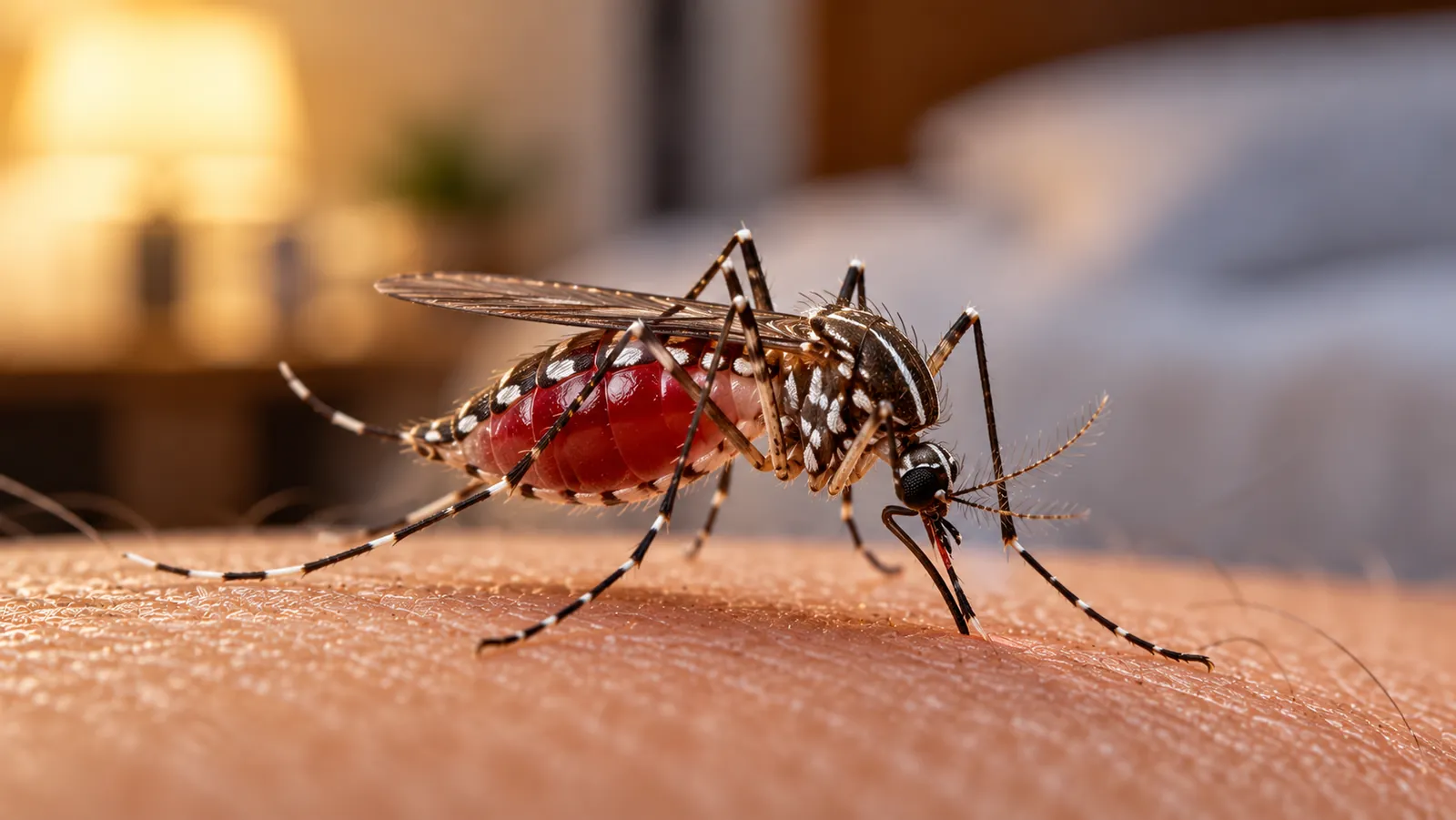
Mosquitoes are one of the most common complaints in Nairobi homes, especially during and after the rains. They disturb sleep, leave itchy bites and some species carry disease. The encouraging part is that mosquitoes are predictable. They breed in standing water, and most of the mosquitoes biting you were born within a short distance of where you sleep.
This guide covers practical steps you can take around your home, and when professional treatment makes sense.
Which mosquitoes are biting you?
The time of day you are bitten gives a clue:
- Night-time biting, especially in bedrooms, is common with Culex mosquitoes, which breed in blocked drains, septic tanks, soak pits and polluted standing water. They are a major nuisance in many parts of the city.
- Day-time biting, indoors and outdoors, is typical of Aedes mosquitoes, which breed in small containers of clean water: plant saucers, tyres, buckets, gutters and discarded containers. Aedes mosquitoes can carry dengue and chikungunya and have been recorded in Nairobi neighbourhoods.
- Malaria-carrying Anopheles mosquitoes are much less common in Nairobi than in the coastal and lake regions, because of the city's altitude and climate, but the risk is not zero, particularly for people travelling from higher-risk areas.
If you have a fever after mosquito bites, especially after travel, see a health worker promptly.
Why some homes have more mosquitoes
- A blocked gutter, a leaking tank or a drain that never empties nearby.
- Gardens with many plant pots, ornamental ponds or dense shrubs near doors.
- Construction sites, open drains or rivers close to the compound.
- Unscreened windows and doors left open at dusk.
- Water stored in uncovered drums or buckets.
Find the breeding sites first
Walk around your compound after rain and look for any water that stays still for more than a few days:
| Where to look | What to do |
|---|---|
| Roof gutters and flat roofs | Clear leaves and debris so water drains |
| Plant pot saucers | Empty weekly or fill with sand |
| Buckets, jerrycans and drums | Cover tightly or turn upside down |
| Water tanks | Make sure lids fit and overflow pipes are screened |
| Old tyres and containers | Remove, drill drainage holes or store under cover |
| Drains and soak pits | Keep clear and covered; repair cracked covers |
| Ponds and water features | Keep water moving or stock with fish; clear vegetation |
| Building materials and tarps | Store so water does not collect |
Repeat this check weekly during the rains. A mosquito can develop from egg to adult in about a week in warm conditions, so a weekly routine breaks the cycle.
Protect the inside of your home
- Screen windows and doors with fine mesh and repair any tears.
- Close windows at dusk in rooms without screens.
- Use treated bed nets where needed, especially for young children.
- Use fans; mosquitoes are weak fliers and struggle in moving air.
- Use repellents as directed on the label, particularly outdoors in the evening.
Outside the house
- Trim hedges and long grass near doors and seating areas, where adult mosquitoes rest during the day.
- Avoid overwatering gardens so puddles do not form.
- Talk to neighbours if the breeding site is on their side of the fence. Mosquito control works best as a shared effort.
When professional treatment helps
If you have dealt with breeding sites and mosquitoes are still a problem, or the source is outside your control, professional treatment can help:
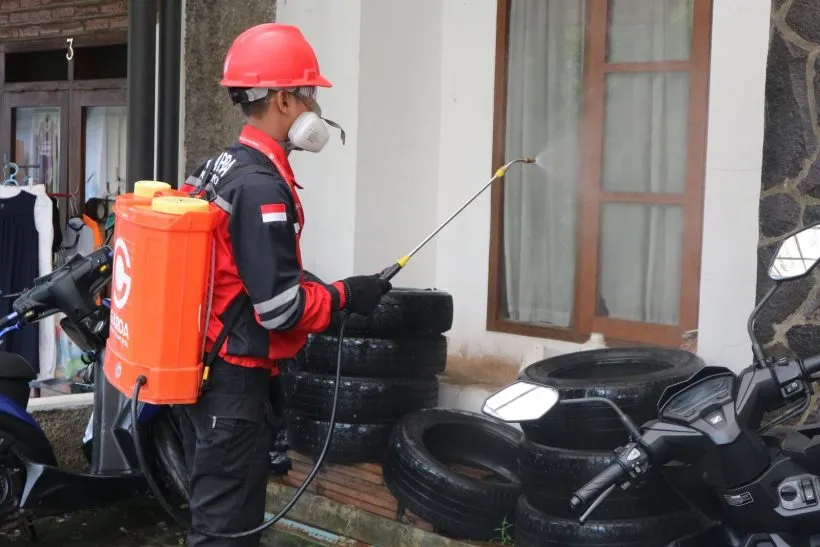
- Indoor residual spraying applies a long-lasting treatment to walls and ceilings where mosquitoes rest. Mosquitoes that land later still pick it up, so it keeps working for weeks.
- Outdoor treatment of hedges and shaded vegetation targets resting adults.
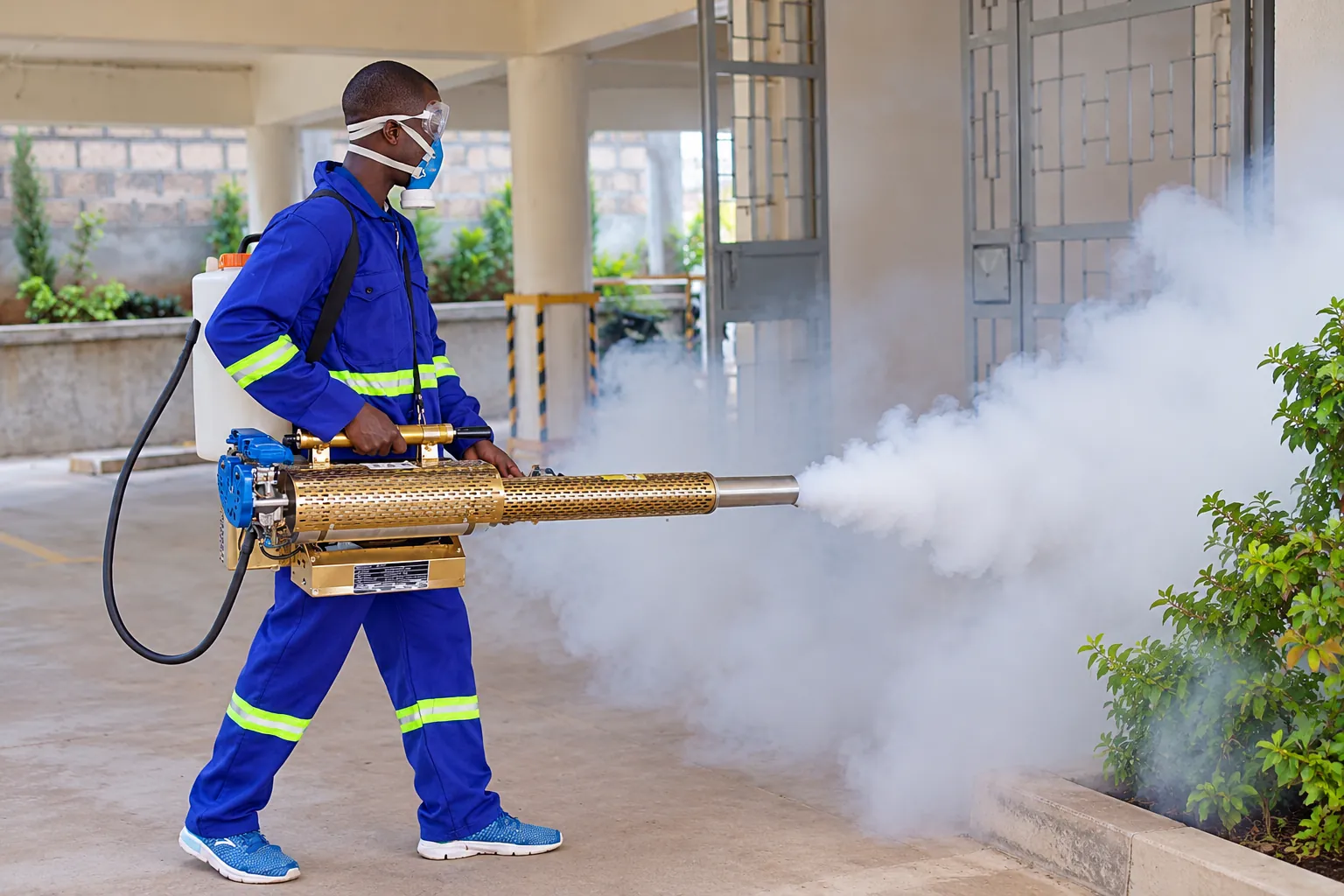
- Fogging knocks down flying adults quickly in gardens, terraces and event spaces.
The truth about fogging
Fogging is useful but limited. It kills mosquitoes that are flying in the treated area at the time, and its effect lasts hours to days. It does not stop new mosquitoes hatching from nearby water. It is ideal before an outdoor event or during a surge, but on its own it does not provide lasting control. A good provider will survey your compound and tell you if the breeding sites matter more than the spray.
See our mosquito control service for how we combine these.
Plan around the seasons
Mosquito numbers in Nairobi rise during and after the long rains (roughly March to May) and the short rains (roughly October to December). A simple seasonal plan:
- Before the rains: clear gutters, fix tank lids, remove containers, check screens.
- As the rains start: begin weekly breeding-site checks; consider indoor residual spraying.
- Peak season: keep up the checks; fog before outdoor events if needed.
- After the rains: look for water that has collected in new places, such as potholes and building sites.
Safety with mosquito treatments
- Follow the re-entry time after indoor spraying and ventilate before sleeping in the room.
- Stay indoors with windows closed during outdoor fogging and for the time advised.
- Bring pets, pet bowls and children's toys inside before outdoor treatment.
- Tell the technician about fish ponds, beehives and poultry.
- Do not wash or repaint treated walls until advised.
Frequently asked questions
Do mosquito repellent plants work?
Plants such as citronella grass and lemongrass have a mild effect at best. They will not replace removing breeding sites and screening windows.
How long does indoor spraying last?
A residual treatment can keep working for several weeks, depending on the product and surface, and how often walls are cleaned.
Why are there mosquitoes in my apartment on the 8th floor?
Mosquitoes can breed in roof tanks, gutters, balcony plant pots and building drains, and they can be carried up in lifts and stairwells. Check balcony containers and ask building management about tanks and roof drainage.
Should I fog before a party in the garden?
Fogging a few hours before guests arrive can noticeably reduce mosquitoes for the evening. Clear standing water in the days before for the best effect.
If mosquitoes are keeping you awake, request a mosquito control survey.
About this guide
Written by the Cleantique Solutions team for homes and businesses in Nairobi. It is general guidance, not a substitute for an inspection or professional advice about your specific property. If anything here is unclear or out of date, tell us at hi@cleantique.co.ke.